
Beginner’s Guide to Collecting Swords, Knives, and Axes: Everything You Need to Know

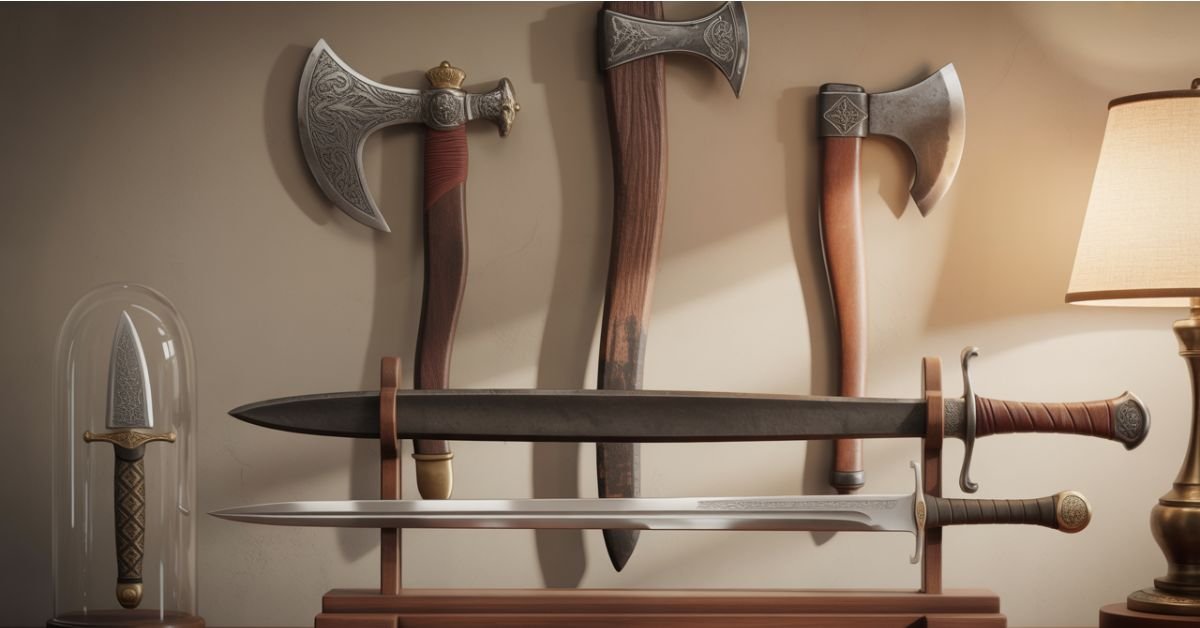
Sword, knife, and axe collecting combines history, art, and skill. From long medieval blades and elegant samurai katanas to rugged Viking battle-axes, every weapon captures a different moment in time. If you’re moved by history, fairy tales, or latest movie swords, piecing a collection together is both fun and fulfilling. This beginner’s guide covers the best starting points, how to pick pieces, the law to keep in mind, and the right care to keep your collection stunning.
Why do we collect blades?
Before we get practical, let’s peek at the “why” behind collecting.
- Historical Value: Every blade carries echoes of its time—wars, trades, or craftsmanship.
- Artistic Craftsmanship: Notice the pommel, the inlays, or the polishing. Forgers turn cold steel into moving art.
- Mythology & Fantasy: From King Arthur’s Excalibur to dwarven axes in films, legendary blades call to imagination.
- Personal Passion: Some simply love holding incredibly well-made, rare, and beautiful objects.
Step 1: Pick Your Niche
First pick the kind of blades that excite you most. Some proven paths are:
1. Historical Replicas:
Feel the past with meticulously made swords, axes, and daggers that mirror medieval or ancient originals.
2. Fantasy & Pop Culture Replicas:
Lovers of Middle-earth, the Continent, or Westeros love acquiring swords, daggers, and axes that echo the hero’s sigils and epic battles of their favorite sagas.
3. Knives & Utility Blades:
If you admire fine craftsmanship, you may lean toward folding knives, daggers, or artistic blades that combine skill and beauty. Each piece can tell its own story.
4.Display Sets
Bundling beautifully matched sets—like a knight’s longsword, a companion dagger, and a mounted axe—adds dramatic flair and harmony to any wall or shelf. It turns a room into its own legend.
Step 2: Understanding Legal Considerations
Check local laws before the checkout button. In the UK and USA, decorative swords and axes are usually legal, but their blades must stay behind glass. Carrying them in public civilian areas can lead to fines. Remember, these treasures are meant to inspire, not to travel.
Step 3: Where to Buy Collectible Blades
You can shop for your next collectible at:
- Specialty Stores: Places like Mythic Swords UK stock carefully curated, wall-safe blades.
- Online Retailers: Look for sellers with photos, certificates, and plenty of glowing reviews.
- Conventions & Fairs: The best venues for rare or limited pieces.
Pro Tip: Confirm that your chosen shop notes its swords are for display, not dueling.
Step 4: Caring for Your Collection
To keep your treasures hauntingly gorgeous:
- Gently wipe blades with a microfiber cloth after every viewing.
- Store in a climate with no swings of humidity or sunlight.
- Reapply rust-preventing oil every couple of months.
- Dust scabbards and cases with a soft brush to keep the enchantment alive.
- Oil the blades to stop rust—apply a thin coat of mineral or blade oil. Keep them out of strong sunlight or the handles will lose their luster. Use display stands or mounted racks to keep each piece safe while looking good.
Step 5: Show Off Your Collection
Showing what you’ve gathered is a big part of the fun. Here are a few ideas:
- Racks or Wall Mounts: These let you hang swords like works of art.
- Glass Cabinets: These keep dust and fingerprints away.
- Themed Setups: Go for a quaint medieval nook or a bold Viking corner.
Mistakes First-Time Collectors Make
- Getting cheap blades that rust within months.
- Not checking local laws before the purchase.
- Skipping basic blade upkeep.
- Buying items of big cost before knowing what you really love.
Wrapping It Up
Starting a blade collection is a rewarding journey of history and craft. Keep the tips in this guide in mind and you’ll gradually build a trove that truly tells your story—whether your heart is set on famous swords, stunning knives, or fearsome Viking axes. Now, you’ve got the basics to take that first step with confidence.